

The first flick of the switch
From candles to gas to electricity: the 1880s revolution that transformed the British home
Anyone who’s had the misfortune to speak to me on the phone recently knows that there are builders banging around in my house. This week, it’s the electricians.
They are, at this moment, cutting channels into my walls and discussing circuits in tones that suggest mastery of invisible forces. Watching them makes me wonder — as I tend to do at MY LIFE IN THE PAST — about the history of domestic lighting.
You and I take it completely for granted that illumination arrives at the flick of a switch. But for most of history, creating light was one giant palaver.
Back before Christmas, many of you enjoyed my history of candles. We ended with the first interior to achieve recognisably modern levels of night-time brilliance: the Hall of Mirrors at Versailles, where mirrors multiplied the glow of thousands of candles into something close to daylight.
But that kind of spectacle was extremely exceptional, and for ordinary families, light went on being rationed.
In the Georgian period, interiors were often painted in pale greens, soft blues and creams — light, bright colours designed to amplify the glow of a single, expensive candle.
There’s even an argument that the genteel-but-threadbare finances of the Austen family shaped literary history.
On dark Hampshire evenings in their Rectory, the Austens would light one precious candle, and one family member would read aloud to keep the others entertained. And what did they read? The juvenilia of Jane Austen herself — preposterous stories, full of family in-jokes, written to delight a darkened room full of siblings.
By Austen’s adulthood, though, improved oil lamps — especially the Argand — were beginning to supplement candlelight.
They were brighter, but they were also filthier.
‘I have seen houses almost filled with the smoke from lamps, and the stench of the oil,’ one footman later recalled. In grand establishments, the maintenance was relentless. At Belvoir Castle, the Duke of Rutland a trifling 400 lamps. Each had a glass shade that needed polishing, and an entire room was devoted to looking after them. Imagine the labour!
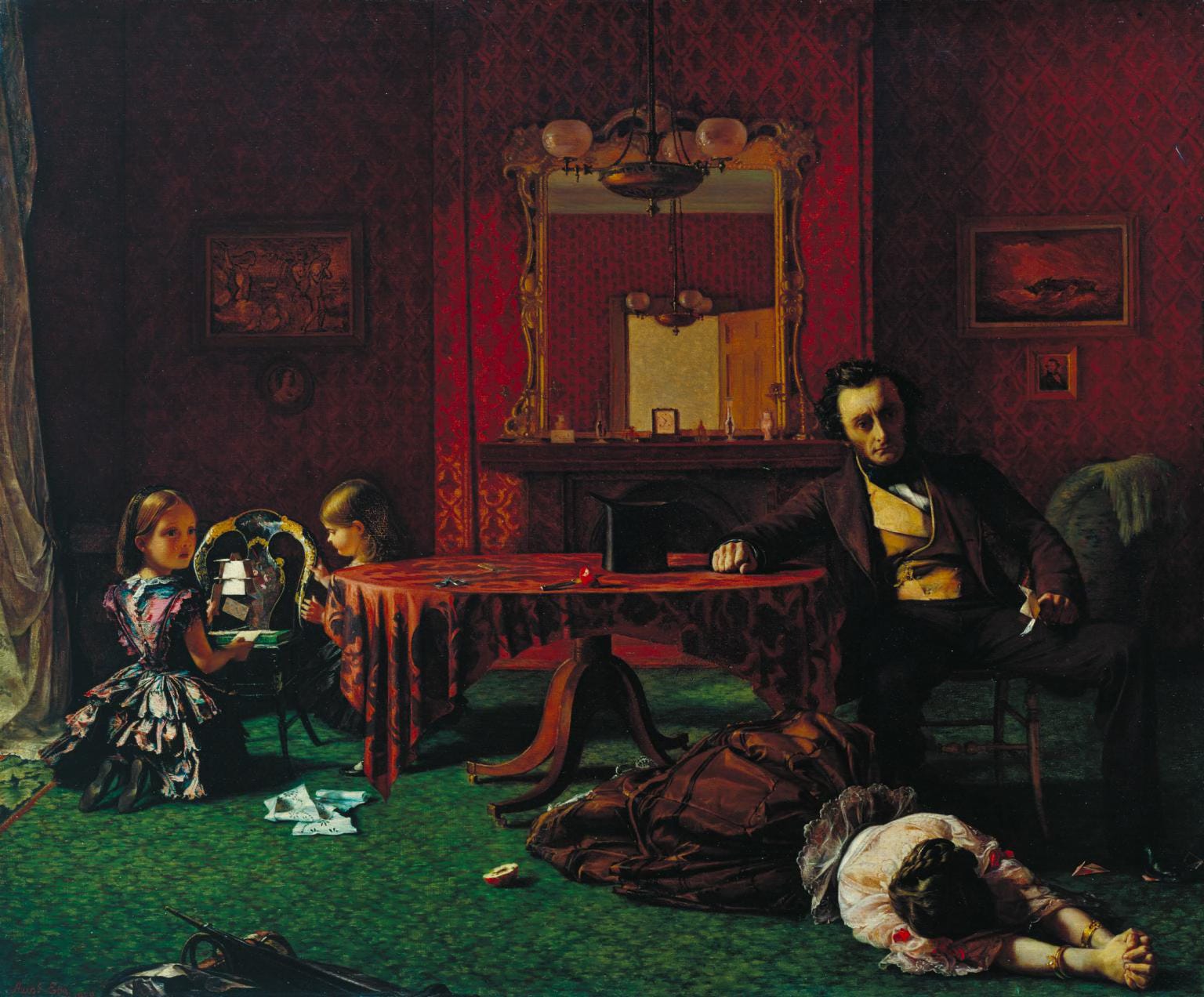
The change in lighting technology also changed aesthetics. The pale Georgian palette gradually gave way to Victorian crimsons, deep greens and chocolate browns, colours that helped conceal soot and smoke.
Then came gas.
In 1807, Frederick Albert Winsor staged a dazzling demonstration of gas lighting in London to celebrate George III’s birthday. He called gas ‘illuminated air,’ and reassured a nervous public that it was ‘more congenial to our lungs than vital air’.
Despite this being patently untrue, gas began to be used to light factories, theatres, and streets.
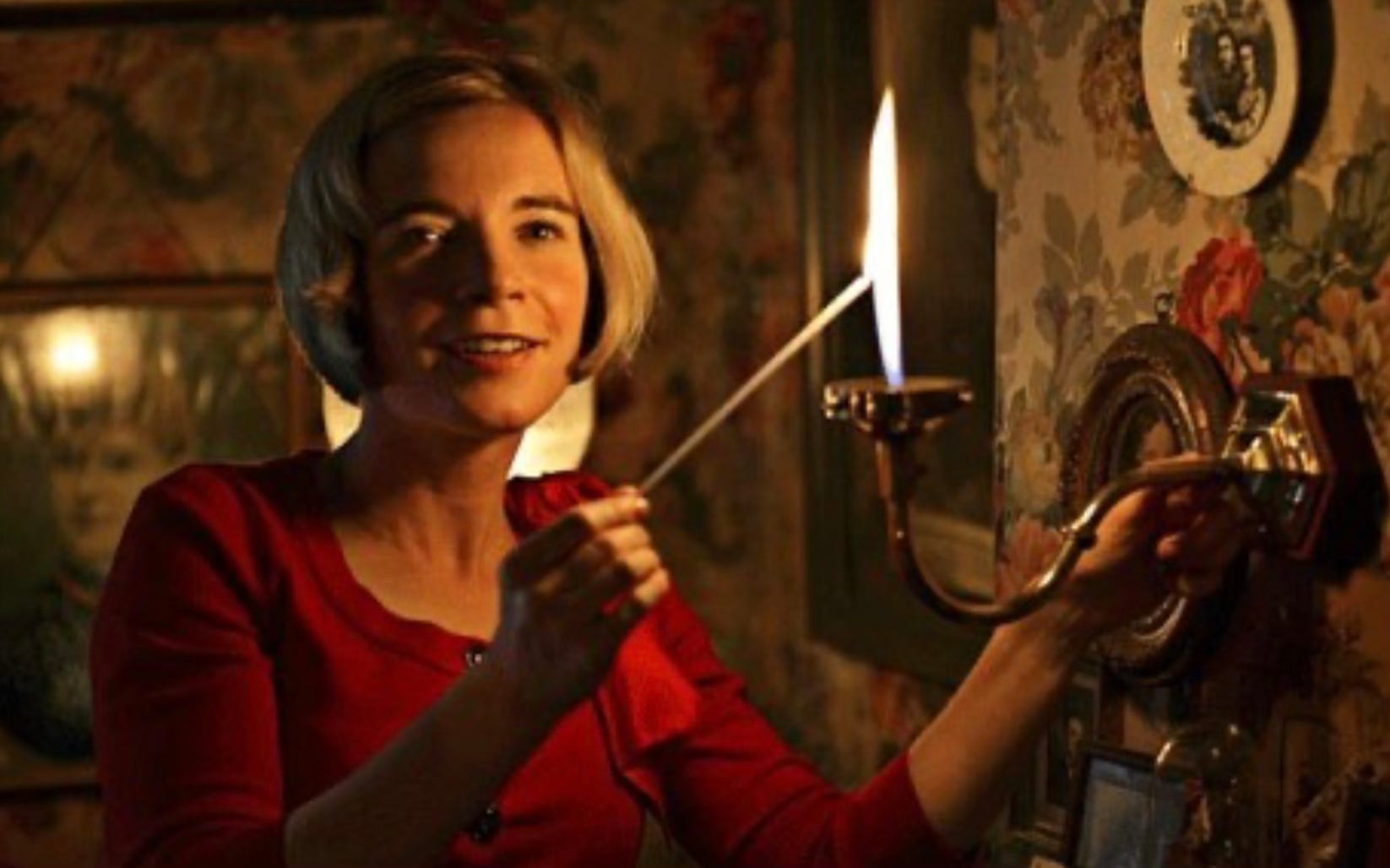
By the 1840s, gas started creeping into middle-class homes too. Manufacturers put effort into marketing it as something glamorous. The Englishwoman’s Domestic Magazine, for example, advised that parties ‘must always be given by gas light … if it be daylight outside, you must close the shutters and draw the curtains,’ so that your gasoliers could glitter properly.
Gas did make evening reading and sewing easier. But it also consumed oxygen, left greasy deposits, and occasionally exploded. The aspidistra became a popular indoor plant partly because it could tolerate the polluted air of a gas-lit parlour.
It really wasn’t pleasant – and posh people tended to install gas in their servants’ quarters, while keeping their dining rooms lit by candles.
